

TL;DR: Most professional service firms manage quotes, invoicing and reporting across separate systems or in spreadsheets, which creates confusion and profit loss. The key to better control is creating one digital thread from first estimate to final invoice, supported by real time visibility. When quotes, job data, costs and billing are connected, teams make better decisions and protect margins. WorkflowMAX brings these workflows together so firms can operate with clarity and confidence.
Why linking your financial workflow matters
In architecture, engineering, design, accounting and other project based professions, the numbers tell the real story. They show where your time is going, what it’s costing you, and most importantly, what it’s earning.
Yet many firms work with disconnected systems. You quote in a Word doc, track time in a spreadsheet, and invoice in a separate accounting tool. When your systems don't talk to each other, you end up with blind spots.
A quote does not reflect the reality of job progress. An invoice does not match what happened on site or in studio. Reporting becomes a rear view mirror rather than a real time guide.
Without visibility, there is no control. This runs directly against what service firms need to run a confident, high performing operation. WorkflowMAX reinforces this in its brand values. Clarity creates confidence, and tools should support your workflow rather than forcing you into someone else's process.
The core problem: The real cost of disconnected systems
Professionals often feel the symptoms long before they identify the cause.
1. Estimates that do not reflect reality
Quotes are built on assumptions or outdated job data. When actual hours or costs deviate, margins slip quietly.
2. Jobs with little financial visibility while they are in progress
Decision makers can’t see the "budget burn" in real-time.. By the time overspend is visible, the damage is done.
3. Invoices that are inconsistent or slow
If invoicing relies on manual entry or cross checking data, errors appear and cash flow slows down.
4. Reporting that is reactive rather than proactive
Without a connected system, reporting becomes a monthly chore. It is often spreadsheet heavy and limited to looking backwards instead of guiding the future.
As firms grow or take on more complex jobs, these challenges multiply. Competitors often sit at two extremes: enterprise tools that are too complex or small business systems that are too simple. Mid sized service firms are often left without the workflow they actually need.
The opportunity lies in creating a continuous workflow that connects quotes, jobs, invoices and reporting.
The opportunity: A seamless workflow from estimate to insight
Digitally linking quoting, invoicing and reporting creates something many firms have been chasing for years: operational control without unnecessary administrative load.
Here is what that looks like in practice.
1. Quotes based on real data
Stop throwing darts in the dark. When your quoting tool looks at your actual job history, your estimates become bulletproof.
Best practice
- Create quote templates for common project types so you can maintain consistency across the team. Use historical job reporting to make ongoing improvements.
WorkflowMAX connection
- WorkflowMAX offers quoting and estimating tools that allow teams to build itemised quotes using past job data, default rates and custom fields. Templates help standardise pricing across the firm.
2. Jobs tracked against budgets in real time
Once a quote becomes a job, the financial structure moves with it. Tasks, estimated hours, billable rates, cost budgets and milestones remain connected.
With time tracking linked to tasks, project managers can monitor profitability and resourcing while the work is happening, not weeks later.
Best practice
- Use custom job statuses and automated notifications to ensure the team logs time consistently and flags issues early.
WorkflowMAX connection
- WorkflowMAX includes job management, time tracking and custom fields to keep work structured and measurable.
3. Invoicing that is consistent, quick and accurate
Invoicing shouldn't be a "last-minute scramble." It should be the natural conclusion of the work you've already tracked.
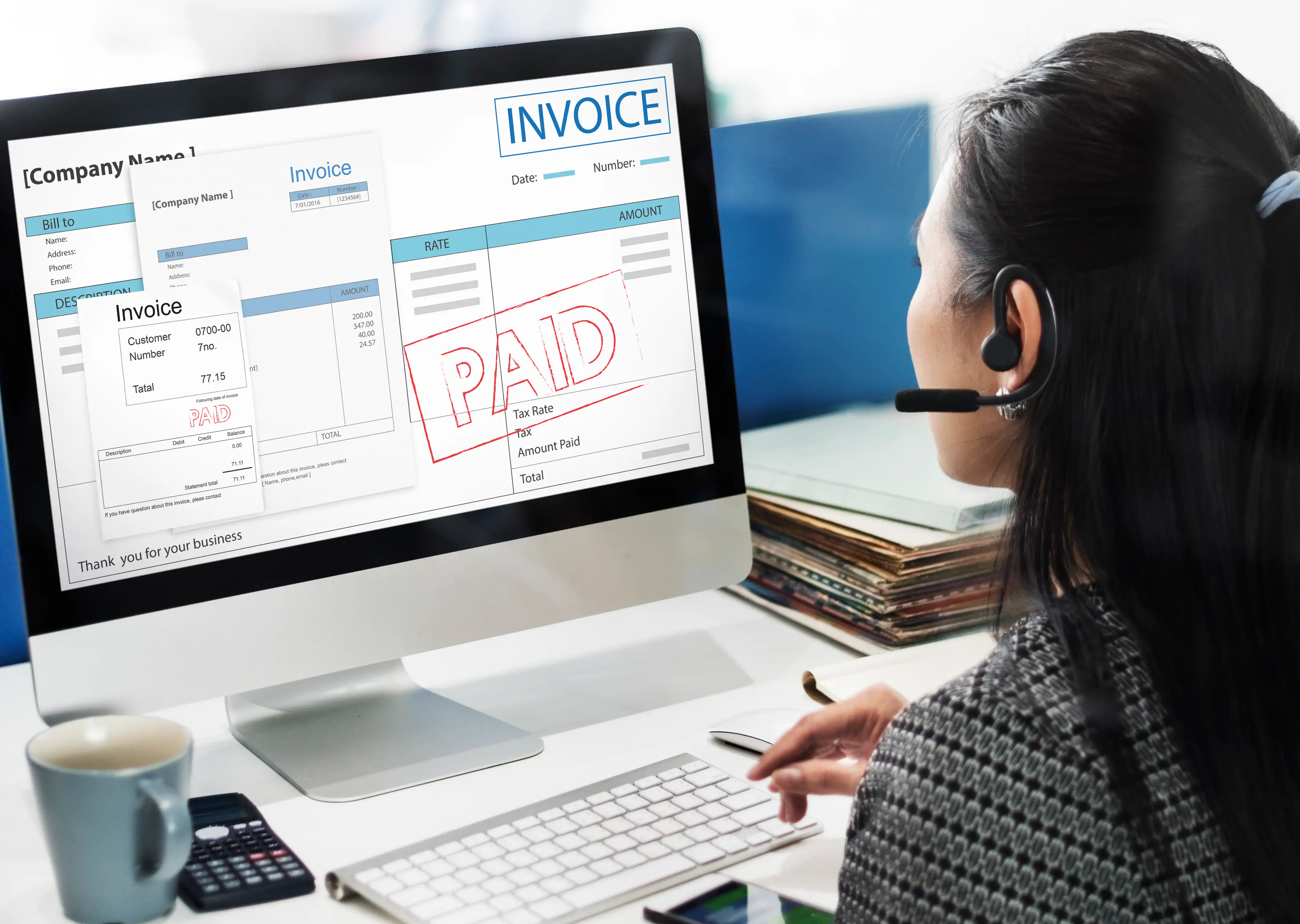
There is no need to reconcile multiple systems or manually rebuild invoices. Teams can choose what to bill, including progress payments, deposits or final invoices. Every line item pulls directly from job data.
Best practice
- Create a clear billing rhythm that suits the way you work. Time based teams often adopt weekly or fortnightly billing. Fixed fee projects often use milestone billing.
WorkflowMAX connection
- WorkflowMAX offers flexible invoicing options based on actual time, quoted amounts or percentage completion. The Xero integration ensures invoices flow into your accounting system without duplication.
4. Reporting that reveals margin, performance and future risk
When your data is linked, reporting finally gets interesting. You can see:
- which job types are most profitable
- which clients regularly exceed scope
- which stages of a project leak the most hours
- which team members or disciplines are overloaded
- how work in progress compares to forecast revenue
These insights allow teams to work strategically rather than reactively.
Best practice
- Run monthly utilisation reports, weekly work in progress reviews and quarterly profitability analysis. Use these insights to refine quoting and internal processes.
WorkflowMAX connection
- WorkflowMAX includes performance and profitability reporting, dashboards and job costing for real time financial visibility.
5. A digital audit trail that supports compliance and governance
A connected financial system creates a clear chain. Quote to approved scope to time entries to costs to invoice to archive.
This is especially valuable for architecture and engineering firms where documentation requirements and liability exposure require precise record keeping.
WorkflowMAX connection
- Document management, custom fields and notifications ensure everything is stored, tagged and traceable.
Why this matters for architects, engineers, designers and accountants
Architects and Engineers
Projects often run for long periods and involve constant variation. A connected workflow prevents margin erosion and maintains documentation at every stage.
Design and Creative Teams
Fast moving environments need accurate time tracking and visual oversight. Linking financial data to job progress reduces write offs and strengthens billing accuracy.
Accountants and Consultants
Consistency, compliance and documentation are critical. A connected system removes manual reconciliation and reduces missed billables.
Across all service industries, the principle remains the same. Linked data reduces surprises and protects profitability.
WorkflowMAX: built for clarity, control and connected financial workflows
WorkflowMAX is grounded in a "human-first" approach. We know that mid-sized firms don’t need the suffocating complexity of enterprise-level software, but they’ve certainly outgrown basic trackers.
It offers one place to quote, schedule, track time, manage jobs, invoice and report. A calm, confident workflow that gives service firms the control they need.
The future belongs to firms that connect their data
Disconnected financial tools cost firms time, confidence and margin. Digitally linking quotes, invoices and reporting creates a single operational thread that improves accuracy, reduces administrative load and protects profitability.
When your financial workflow communicates clearly, your team can focus on meaningful work rather than digging for information.
WorkflowMAX exists to create that clarity, giving firms a confident foundation for growth built on connected, accurate and reliable data.
Take control of your entire financial workflow.
See how workflowMAX connects quoting, job management, invoicing and reporting into one clear and confident workflow.



.jpg)